





Key takeaways
- Customer choices are increasingly shaped by trust, subscriptions, and algorithms.
- Silent churn, avoidance, and usage behaviour now reveal more than stated intent.
- Customers reward brands that remove complexity and make decisions feel safe.
- As AI-driven sameness grows, authenticity and lived experience stand out.
Today’s customer is complex and full of contradictions. They demand privacy, yet expect hyper-personalised services. They cut costs on everyday essentials, but won’t hesitate to splurge on a single “bucket-list” experience. They want control and human connection, but crave the convenience of AI and automation.
These shifts have been building for years and are set to accelerate further this year. The 2026 twist?
Customer decisions are increasingly pre-determined by past experiences, emotion, trust, subscriptions, and algorithms. In many cases, the “moment of choice” no longer exists.
For corporate innovators, this changes the game. Success no longer depends on understanding what customers say they want, but on designing ventures for how decisions actually happen.
With that in mind, here are eight customer shifts that reveal how decision-making is evolving in 2026 and beyond.
Shift 1: From Interaction to Delegation
You’re no longer selling to the customer.
Most interfaces, journeys, and funnels assume a customer is actively comparing options and making purchasing decisions. That assumption is breaking.
This year, we’ll see AI start to move from assistant to agent, handling research, selection, purchasing, and issue resolution with little or no human involvement. As a result, many customers will never meaningfully interact with your product at all.
This fundamentally changes how companies reach their audiences. Instead of optimising for interaction, ventures should design for reliability, clarity, and machine-readability.
Shift 2: The Rise of "Silent Churn"
Customers won’t tell you what’s wrong. They’ll just leave.
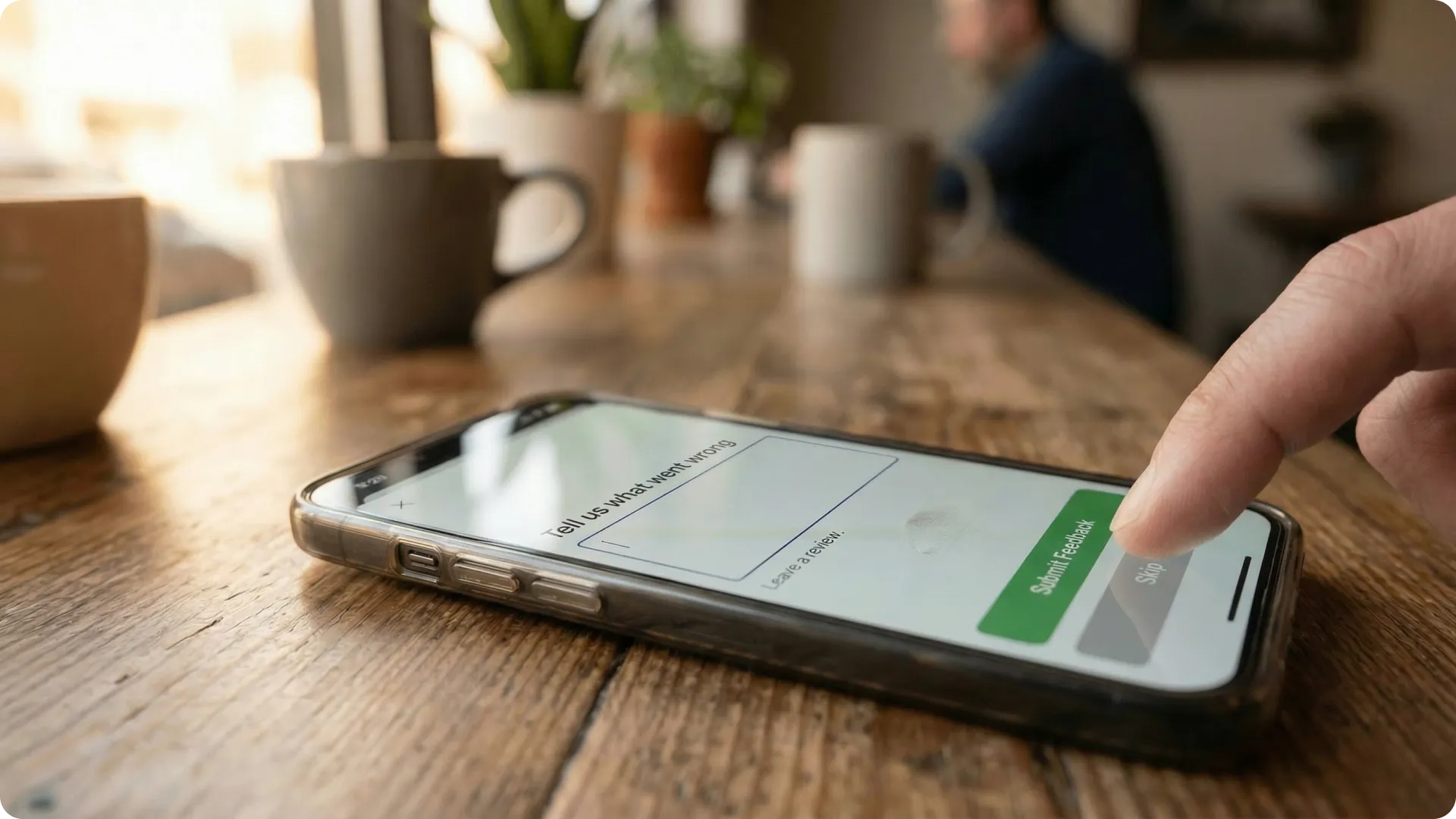
For decades, companies have relied on feedback to understand customers. Surveys, interviews, NPS scores, and focus groups assumed customers would explain what worked, what didn’t, and why.
This model is quickly becoming unreliable, particularly among Gen Z customers, who rarely complain, explain, or justify. They just disengage.
- Only 1 in 26 customers voice concerns to a brand; the rest leave no feedback.
- Silent churn is projected to cost businesses 20% of potential revenue.
This is especially true when expectations are high, friction is invisible, alternatives are plentiful, and switching costs are low.
Shift 3. The End of Choice Advantage
Customers are choosing brands that reduce choice overload.

For years, companies have competed by offering more. More features, more plans, more configurations, more flexibility. The underlying belief was simple: informed customers want options.
However, in recent years, the overabundance of choice has led to a backlash:
- 44% of consumers report that too many options make shopping feel overwhelming.
- 36% report abandoning purchases due to choice overload.
In otherwords, more choice no longer feels empowering (it feels like work). As a result, customers are increasingly rewarding brands that reduce complexity, narrow options, and make decisions feel safe.
Shift 4: Trust as Infrastructure
Customers are using trust as a filter for purchase decisions.
Faced with automation, opaque systems, and growing uncertainty, customers increasingly use trust as a precondition to conversion. If something feels unclear, inconsistent, or hard to explain, it’s filtered out early, often without conscious evaluation.
What’s changed is how trust is formed. Trust is no longer shaped by storytelling or values-led messaging. It’s proven through consistent outcomes, e.g.:
- Do outcomes match promises?
- Are weaknesses clear and transparent?
- Do they use technology responsibly?
This reframes sustainability, AI ethics, and transparency entirely, turning them into essential conversion drivers.
Shift 5: Authenticity Over AI Polish
“Perfect” is now a red flag.
As generative AI continues to flood online channels, more and more brands are producing photorealistic ads and tailored messaging in seconds. The problem? Sameness at scale.
Customers are getting better at spotting the signs: content that looks and sounds right, but feels empty. In fact, according to Clutch:
- 33% of customers report AI worsens their perception of a brand
- 81% have stopped supporting a brand because it no longer felt genuine
- 85% have purchased from a brand specifically because it felt authentic.
As a result, authenticity has turned into a highly coveted and scarce asset.
Customers now value lived experiences and authentic imperfection over AI polish. Think handheld camera shakes, natural lighting, and unscripted "human moments" that AI cannot yet convincingly replicate at scale.
Shift 6: The Comfort Economy
Customers are craving comfort, familiarity, and meaning.
Uncertainty is everywhere: work, money, health, geopolitics. When everything else feels unstable, customers look for experiences that feel familiar, predictable, and reassuring.
This is showing up in a variety of ways, e.g.:
- Experiences over ownership
- Spending on home-centred living
- Nostalgia products with small twists
In that same vein, there is a surging preference for local-first engagement. Brands that can demonstrate regional relevance, local sourcing, or community impact are winning trust over generic global entities.
When customers decide, they’re subconsciously asking: Will this create hassle? Will I regret this? Will this add stress if it goes wrong? If the answer feels uncertain, they’re likely to default to the safest option.
Shift 7: From Escapism to Self-Optimisation
If it costs energy, focus, or sleep, customers are opting out.

Customers are reorganising their social lives around control, energy, and recovery over the indulgence and escapism we’ve seen in previous years.
This goes beyond the “wellness as a lifestyle” trend we saw in 2024 and 2025, to include intentional connection and self-optimisation. Reduced alcohol consumption, alternative nightlife, and social fitness are all early indicators.
The goal? To protect our most valuable resources: time, focus, health and energy.
We’ve already seen this shift start to take shape with the rise of:
- Alcohol-free social spaces
- Fitness groups as community hubs
- Dawn raves, replacing late nights
This is creating a new value space where health, community, and leisure overlap.
Shift 8: The Rise of Third Spaces
Physical environments create value through belonging.
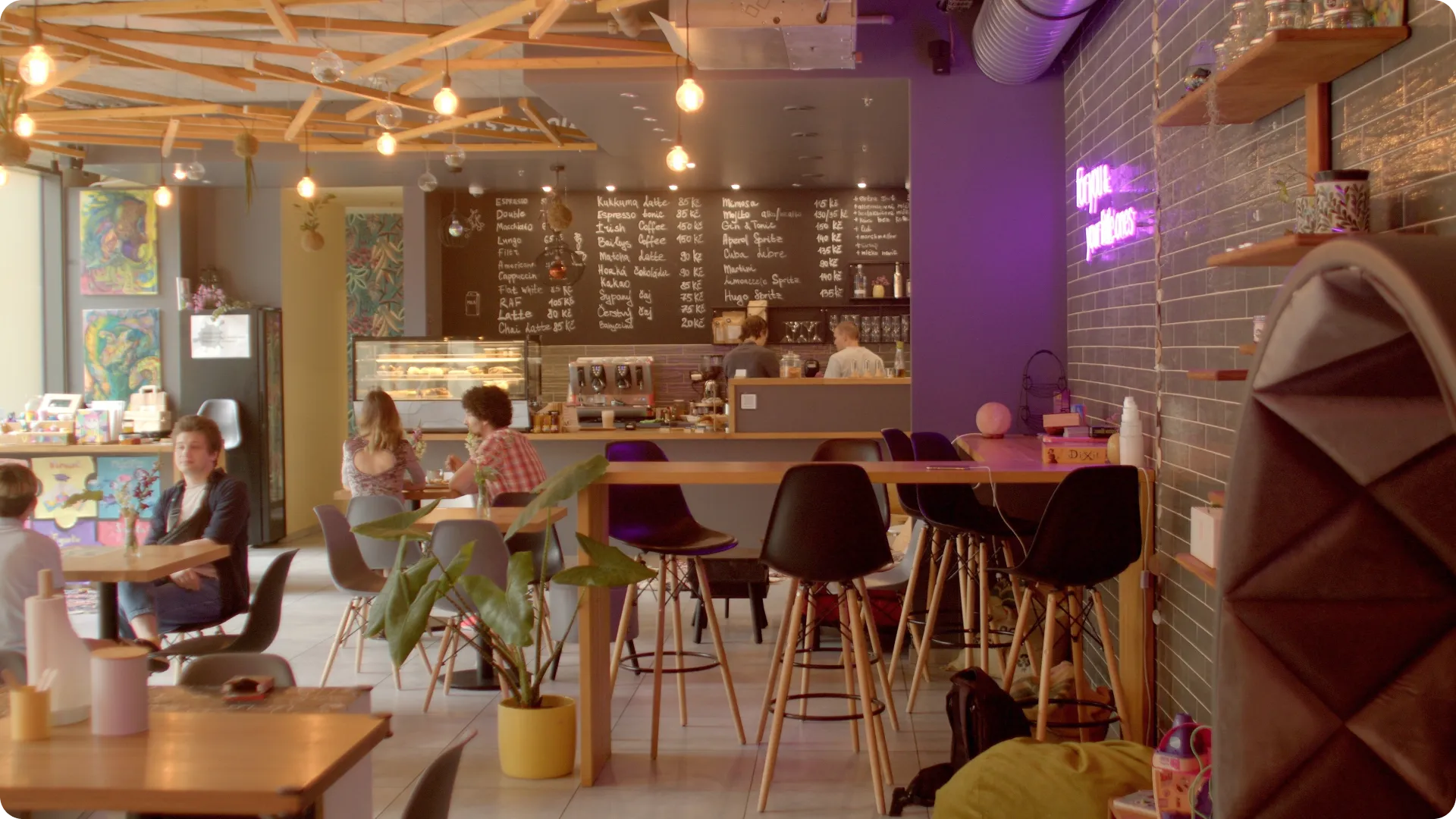
Consumers are increasingly drawn to physical spaces that offer something neither home (first place) nor work (second place) can provide: spontaneous, face-to-face connection. This is where third spaces come into play.
Common examples of third spaces include coffee shops, libraries, pubs, gyms, and community centers and they usually share traits like:
- Neutral ground: People are not obligated to be there and can come and go freely.
- Levelled status: Social and economic differences fade in favour of equality.
- Conversation-led: Informal, spontaneous interaction is the main activity.
- Regulars: A core group that shapes the atmosphere and identity.
There are several factors fueling this trend:
- The digital detox movement: Gen Z is actively seeking lo-tech, in-person experiences.
- The loneliness epidemic: Third spaces serve as "societal glue" to combat isolation.
- Hybrid work: People seeking work spots that provide a sense of community.
The impact is already visible across sectors, with a growing number of cafés becoming workspaces, gyms doubling as community hubs, retail stores hosting events, and even corporate workplaces are being reimagined as multi-use environments.
Final thoughts
Across these shifts, one pattern stands out. Customers are setting much firmer boundaries around what deserves a place in their lives.
Ventures that win in 2026 won’t be the ones that push harder for engagement, but the ones that fit naturally into how people choose to live, work, and connect.
The real challenge for corporate innovators is not predicting the next behaviour, but unlearning the old ones they are still building for.
__
Are you looking for new ways to fuel company-wide innovation? We can help you build a tailored venturing strategy that leverages existing assets to meet your growth goals, unlock new markets, and diversify your portfolio.
Discover 15 Consumer Channels Shaping the Future of Retail
Download the report that unlocks value spaces and delivers new market impact


