
Key takeaways
- Channel strategy is now about design
Success is about channels working together, not how many you operate. - Speed and execution flow beat reach
Brands win by eliminating gaps between insight and action, not by expanding. - Decision-shaping channels matter most
The channels that build confidence increasingly determine outcomes before the sale. - Platforms are becoming ecosystems
Control over demand, data, and visibility is shifting to ecosystems that monetise intent.
Venture logic is the new discipline
Leading brands test, scale, and stop channels based on long-term value.
Channel strategy for consumer brands has changed dramatically over the last few years. What used to feel like a clear path to market now creates complexity, slow decisions, and trade-offs that hinder growth.
The challenge? Traditional channel set-ups no longer match how customers actually discover, decide, and buy today:
- Markets now move at the speed of AI and rapid consumer shifts
- Decision cycles are shorter, and execution windows are narrower
- Channel choices increasingly determine relevance and competitiveness
Adapting to this reality is now a prerequisite, not a differentiator, and top global brands have already begun to adapt, redefining how channels create value, and making deliberate trade-offs about where to play and where not to.
To give you a better understanding of how the landscape is changing and how to adapt successfully, let’s take a look at some real-world examples from top consumer-driven companies that are changing the game in 2026.
1. L’Oréal: Channels as Trust-Building Spaces
From selling products to helping customers decide
Channels are no longer just places where transactions happen. Customers are increasingly using them to help shape their purchasing decisions, e.g., by checking prices, availability, reviews, and more.
This shift will only accelerate as we enter the era of agentic AI, where channels feed structured data into AI assistants that help consumers build trust and convert. So, what does this mean in practice?
- Decision support is becoming the real conversion lever
- Trust now scales through AI-powered diagnostics, not just brand equity
- AI-driven confidence beats endless choice in complex categories
In a nutshell, winning channels don’t just sell. They reduce uncertainty at scale.
L’Oréal’s move from beauty to beautytech
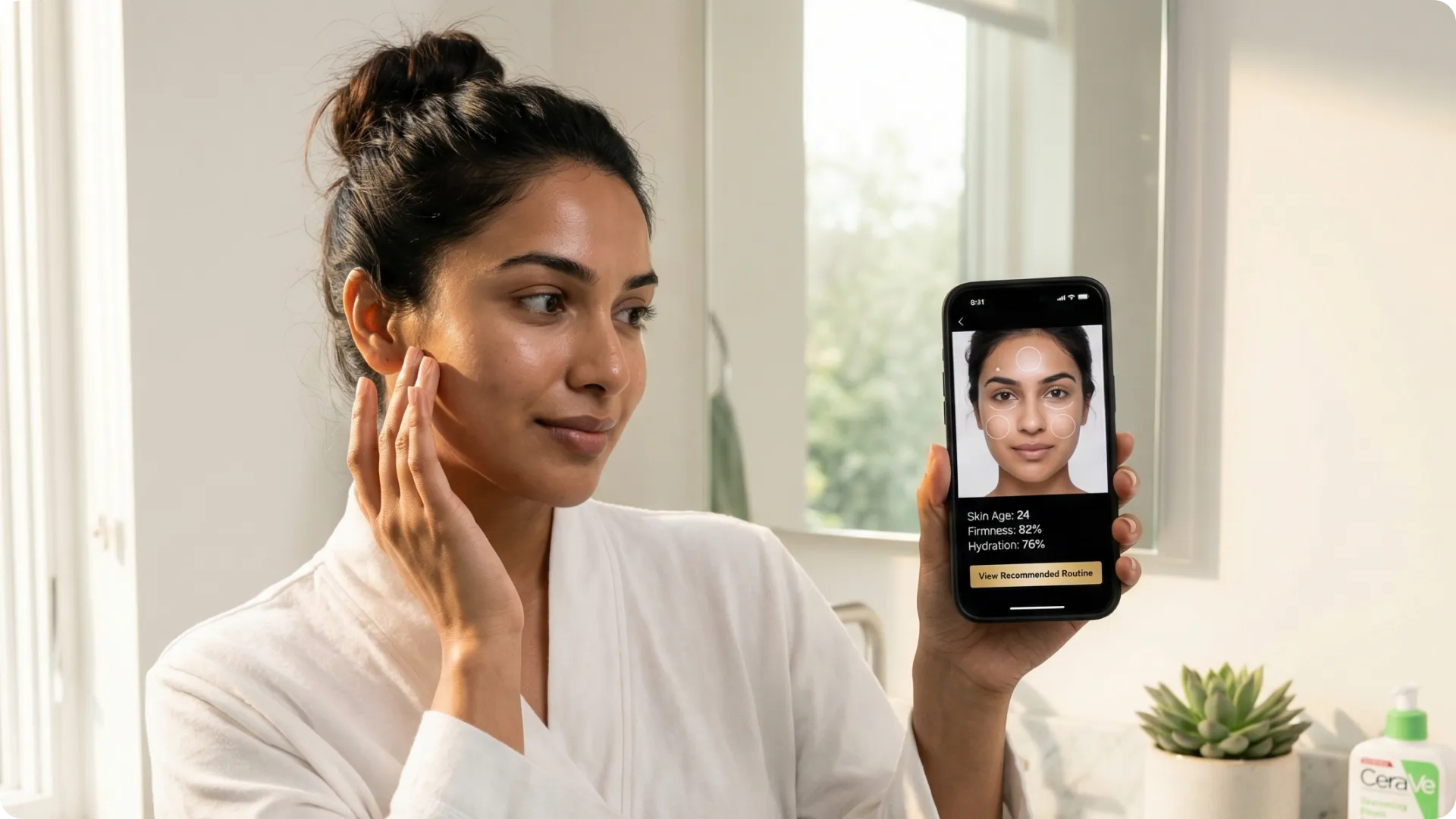
L’Oréal was early to recognise that in beauty, the real conversion barrier isn’t access or price, but confidence. Long before “agentic AI” became a mainstream concept, the company invested heavily in AI-powered diagnostics, virtual try-ons, and personalised recommendation engines to help consumers understand what actually works for them (e.g. 2018 acquisition of Modiface).
In 2026, this has evolved into a clear channel strategy: diagnose at scale rather than sell at scale. Across brand websites, retailer platforms, and social commerce environments, L’Oréal’s tools are designed to translate personal data, visual inputs, and preferences into concrete guidance (e.g. Noli, Beauty Genius, and SkinConsult AI).
The impact of these investments is real, with conversion boosts of up to 400% for brands like SkinCeuticals and in-store conversion rates reaching 70% following AI diagnostics.
The channel’s job is no longer to present endless options, but to narrow choice and remove doubt.
2. Nike: Integrated Systems, Not Touchpoints
Seamless shopping experiences across all channels, both online and offline.
Omnichannel retail trends are no longer about adding channels, but about integrating them. The goal? Building a single, coordinated system that responds in real-time:
- One consistent experience across channels
- Smarter personalisation powered by shared data
- Better ROI as channels reinforce, not compete
The gap is pretty clear, with only 15% of retailers believing they’re fully realising the potential of their omnichannel systems, which are often slowed by fragmented tools and manual workflows.
Nike’s post-DTC-reset strategy
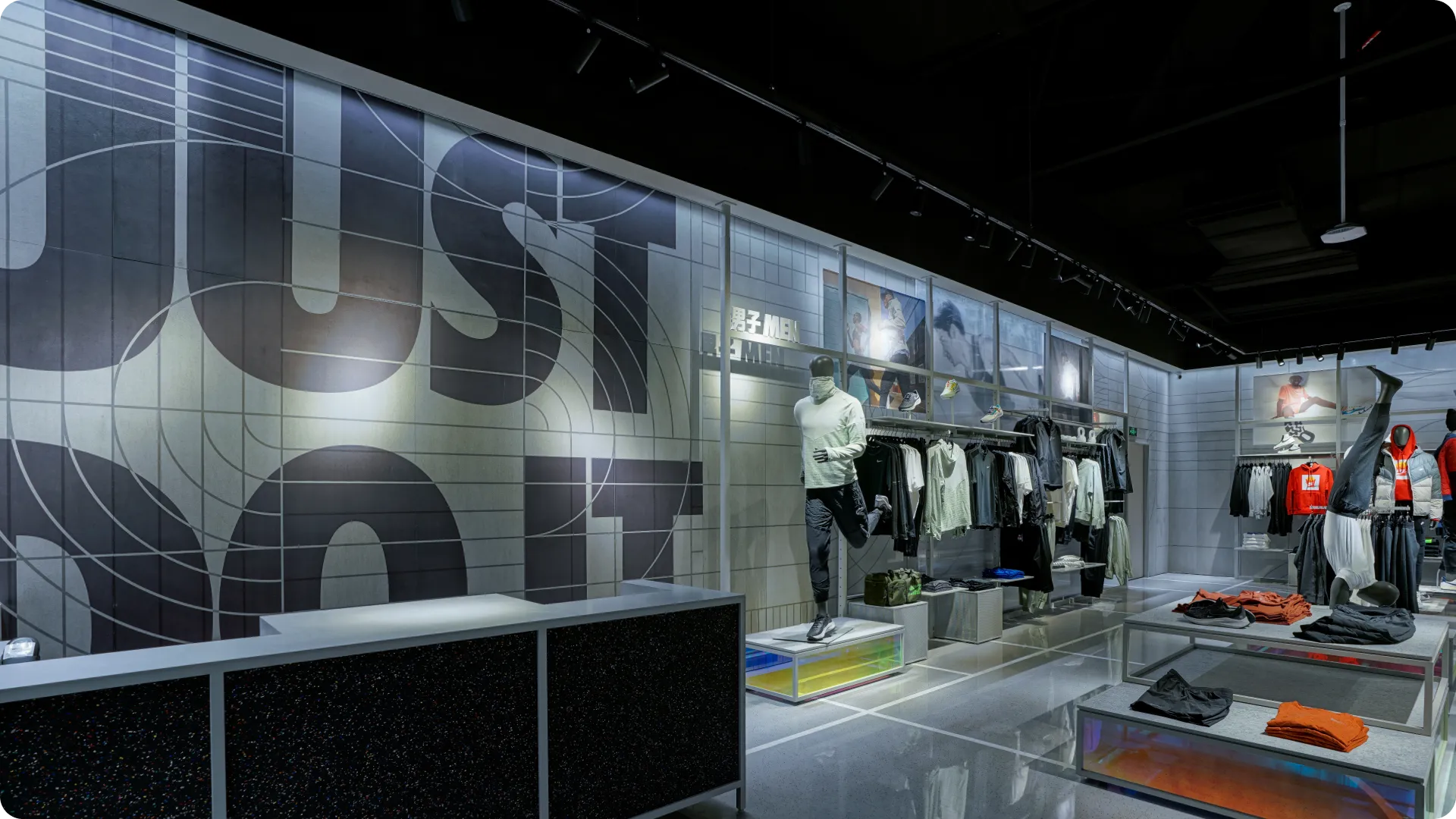
After years of pushing its Consumer Direct Acceleration strategy, Nike hit the limits of a non-integrated, DTC-heavy model: margin pressure increased, digital growth slowed, and reach suffered as wholesale relationships weakened.
In 2024, the brand introduced its “Win Now” strategy, designed in part to rebalance its channel mix and reinvest in wholesale while keeping D2C as a strategic, not dominant, engine. This included a return to marketplaces like Amazon and specialist wholesale partners like Foot Locker, JD Sports and DSW. These partners play a role Nike’s own channels can’t fully replicate:
- Multi-brand comparison
- Physical try-on
- Discovery and trust at scale
In essence, Nike is rebuilding its channel stack with a simple goal: no matter where a purchase happens, across the Nike App, a flagship store, or a local retail partner, it runs on the same customer data and inventory logic.
The result is a coordinated system that replaces fragmented tools and manual work with real-time visibility across the entire journey.
3. Unilever: Channels Become Execution Engines
From campaign planning to real-time deployment
Channel advantage is becoming less about reach and more about speed. Creator platforms, retail media networks, and algorithmic feeds now operate on hourly cycles, making “waiting for approval” a thing of the past.
At the same time, AI co-pilots have replaced manual oversight, reallocating budgets and shifting content in real-time based on live conversion signals. These systems keep customers in a seamless "flow," routing traffic around brands that can’t keep up.
In this environment, speed is the real competitive moat.
Unilever’s “Desire at Sale” growth engine

Launched in 2025, Unilever’s Desire at Scale model is designed to create brands that people don’t just need but also want. To implement it at speed, Unilever uses:
- Sketch Pro: an AI-powered design studio that can create content in hours.
- Beauty AI Studio: an in-house generative-AI content assembly line.
These tools allow teams to identify trends in the morning and go live the same day. For example, during Ramadan in Indonesia, local teams spotted a lip-syncing trend via social listening and had branded content live within hours, generating over 6 million organic views.
The numbers speak for themselves:
- 65% faster content turnaround
- Double the click-through rates
- Knorr's #UnlockYourGreenFlag reaching 700 million impressions in 29 markets
The secret to Unilever’s success? Removing the friction between insight, creation, and deployment at scale.
4. Sephora (via LVMH): Platforms as Ecosystems
From storefronts to monetised demand platforms
Large retailers like Amazon, Target and Walmart are no longer just places where products are sold. In 2026, they have fully transitioned into retail media networks (RMNs), operating as publishers and data platforms that monetise shopper intent directly.
Transitioning into an RMN significantly changes a retailer's profit profile:
- High margins: Retail media delivers 50–90% margins vs. 2–4% in traditional retail.
- Non-endemic revenue: Retailers now sell ad space to brands they don’t actually sell.
- Self-reinforcing growth: Media profits help fund and strengthen the core.
What makes this shift structurally important is that retailers now sit upstream of the purchase decision, capturing attention, intent, and performance data long before a transaction happens.
Channels that once competed for shelf space now compete for access to demand.
Sephora’s move from RMN to ecosystem
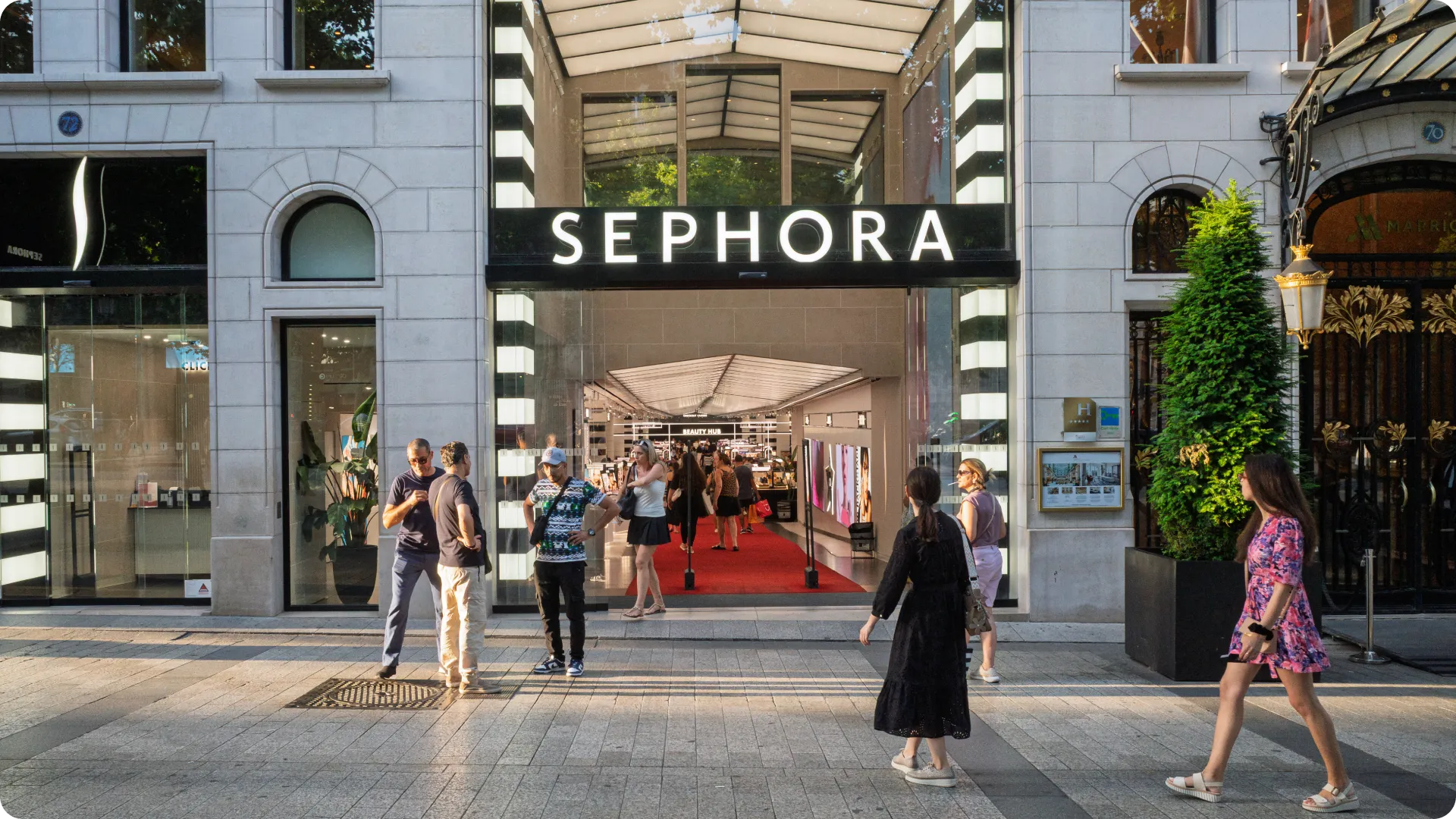
Many large retailers have built powerful retail media networks that monetise traffic through ads. Sephora has taken it further by turning retail media into a full ecosystem where demand is shaped, not just captured.
For example, RMNs like Walmart Connect monetise traffic through ads. Sephora monetises the entire journey: discovery, trial, validation, loyalty, and repeat.
What makes Sephora structurally different is that brands don’t simply advertise on the platform. They operate inside it. Products are launched, tested, validated, and scaled using Sephora’s tightly integrated mix of loyalty data, digital discovery, in-store experience, and media surfaces.
5. Patagonia: Channels Managed Like Ventures
From channel expansion to disciplined focus
Traditionally, brands have focused on matching competitors feature-for-feature (e.g. new RMNs, new formats, new partners), rather than asking whether those channels actually:
- Deepen customer relationships
- Improve retention or repeat behaviour
- Contribute to long-term value
After years of expansion, a growing number of brands are experiencing channel fatigue and realising that without clear kill criteria, channel expansion creates noise, not advantage.
This has led to a shift in mindset from “be everywhere” to “test, validate, scale, or stop”.
In this context, each channel is treated as a modular bet with a clear job, success metrics tied to long-term value, and explicit criteria for when to double down or walk away. In other words, companies are increasingly applying “venture logic” for channel management and decision-making.
Patagonia’s channel strategy

Rather than chasing every emerging channel or monetisation opportunity, Pategonia applies clear discipline to where and how it engages customers. Owned channels, selective wholesale partnerships, repair and resale programs, and community-led initiatives each serve a defined role in driving long-term Customer Lifetime Value, not short-term volume.
What makes Patagonia structurally different is its willingness kill channels that dilute the brand, undermine trust, loyalty, or longevity, even when they perform in the short term.
For example, programs like Worn Wear are not optimised for immediate revenue (representing around 1% of Patagonia’s business), but Patagonia continues expanding it with the goal of providing customers with lower-impact choices. The goal? To boost retention, advocacy, and repeat engagement over time.
FAQs: Channel Strategy in 2026
Q. Why are traditional channel strategies failing?
A: Traditional channel strategies fail because they prioritise reach and expansion over integration, speed, and focus. As channels multiply, complexity slows execution and dilutes impact.
Q. How has AI changed channel strategy?
A: AI compresses decision cycles and shifts budgets, content, and visibility in real time. This makes slow approvals, rigid plans, and fragmented systems structural disadvantages.
Q. What does “integrated channels” actually mean?
Integrated channels operate as one coordinated system, sharing data, inventory logic, and decision rules, rather than functioning as isolated touchpoints.
Q. What is an execution-led channel strategy?
A: An execution-led channel strategy embeds strategy into the operating model, allowing teams to act on signals immediately instead of translating plans into action weeks later.
Q. Why are retail media networks so important now?
A: Retail media networks matter because they monetise shopper intent directly. Retailers increasingly control demand, data, and visibility before a purchase happens.
Q. How should corporate ventures think about channel strategy?
A: Corporate ventures should design channel strategy from day one, treating channels as strategic constraints that shape speed, learning, and scalability.
Q. What is the biggest channel strategy mistake companies make today?
A: The biggest mistake is trying to be everywhere. In 2026, advantage comes from focus, integration, and knowing which channels to stop investing in.
What this means for corporate ventures
The key to winning in 2026 isn't the number of channels, speed of pilots, or flashiness of partners. Success belongs to the ventures built on systems that can decide, execute, and stop with discipline.
For corporate ventures, this shifts decision-making upstream. Channel choices become critical strategic constraints from day one. The real advantage lies in building ventures that know where to play, how to learn, and, crucially, when to walk away, long before scale creates liabilities.
Ventures that recognise this shift early will compound faster with significantly less friction.
___
Launching a new venture concept? We can help you design for speed, focus, and long-term value by grounding every decision in real-world market insight.
Get the list of 25 Corporate Ventures That Won in 2025
How consumer brands like PepsiCo, Volkswagen, and Amazon go about venturing to find growth beyond their core.